
I’m thinking a lot about nature and poems, the connection and collision.
What is a “nature poem”?
More than butterflies and rainbows. More than catalog and chart.
Who cares? I care!
But really, I’m only recently befuddled by the label. Not bothered, exactly, but unusually curious. Maybe even vexed.
* * *
* * *
I’m co-curator for the 2027 Indian Creek Poetry Walk.
The Poetry Walk is a four-mile path traversing diverse terrain through the city of Hood River, Oregon (where I live). Poems, by local authors, dot the hills and woods along the trail.
Our submission guidelines call for “nature poems.”
[ sidebar: Are you a writer living in the mid Columbia River Gorge region? Send us your nature poems! Details here. Or on facebook: Indian Creek Poetry Walk. ]
I love reading poems! I love the thrill and mystery of each submission. They arrive with no names or context, no warnings or explanation — just like life and love and writing. It’s a delight.
And it’s a great lesson for my own writing. With each reading, I ask: What makes this work? Why does this poem soar and this one sink?
The answer is often elusive but the more I read the more I see, the more I perceive. Increasingly I ask: what is a nature poem?
* * *
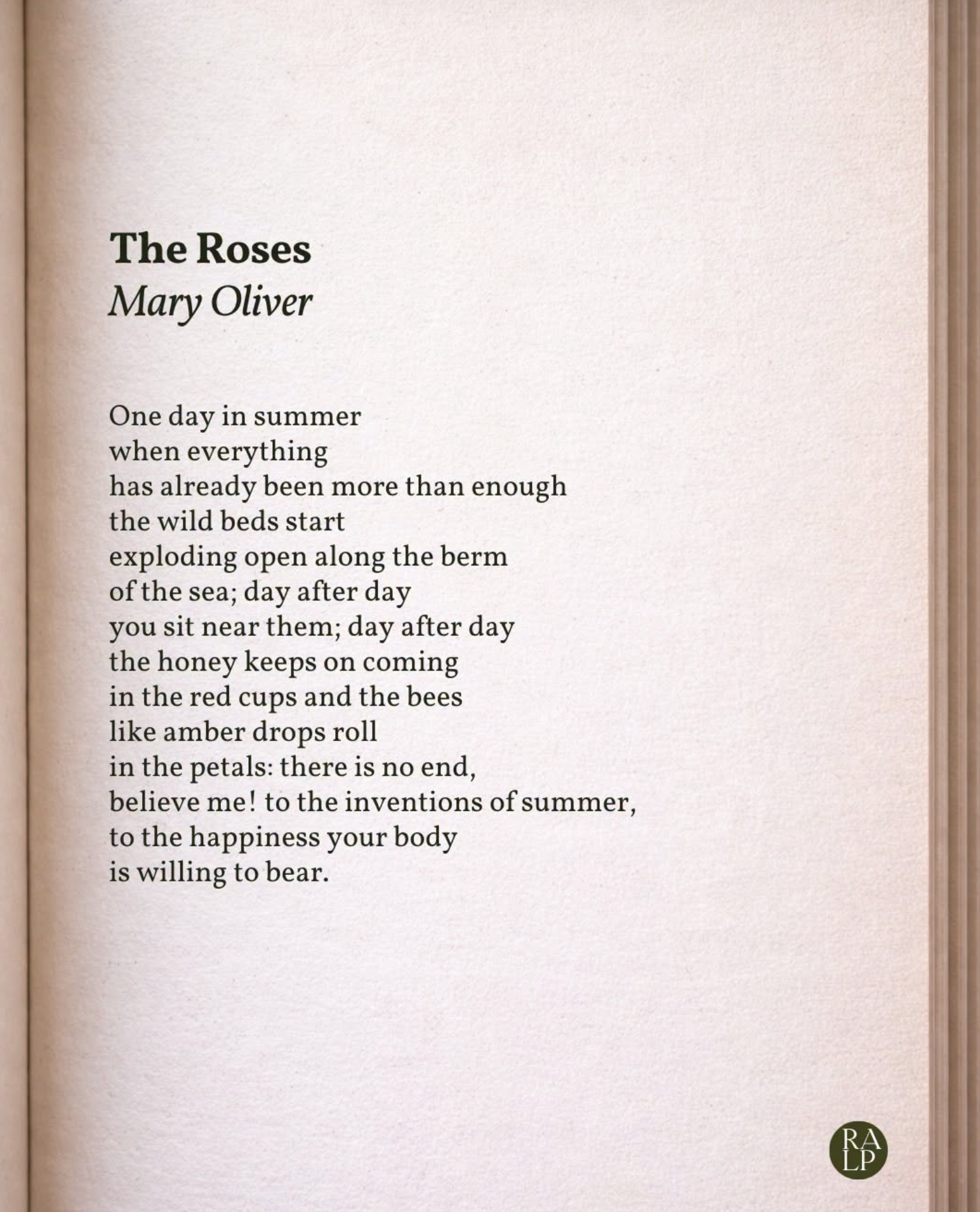
We all know the wild geese of Mary Oliver. That’s a nature poem, I say, pointing at the obvious beauty.
And Wendell Berry writes nature. Gary Snyder, too.
And, the classics, of course: John Keats, William Wordsworth, Basho.
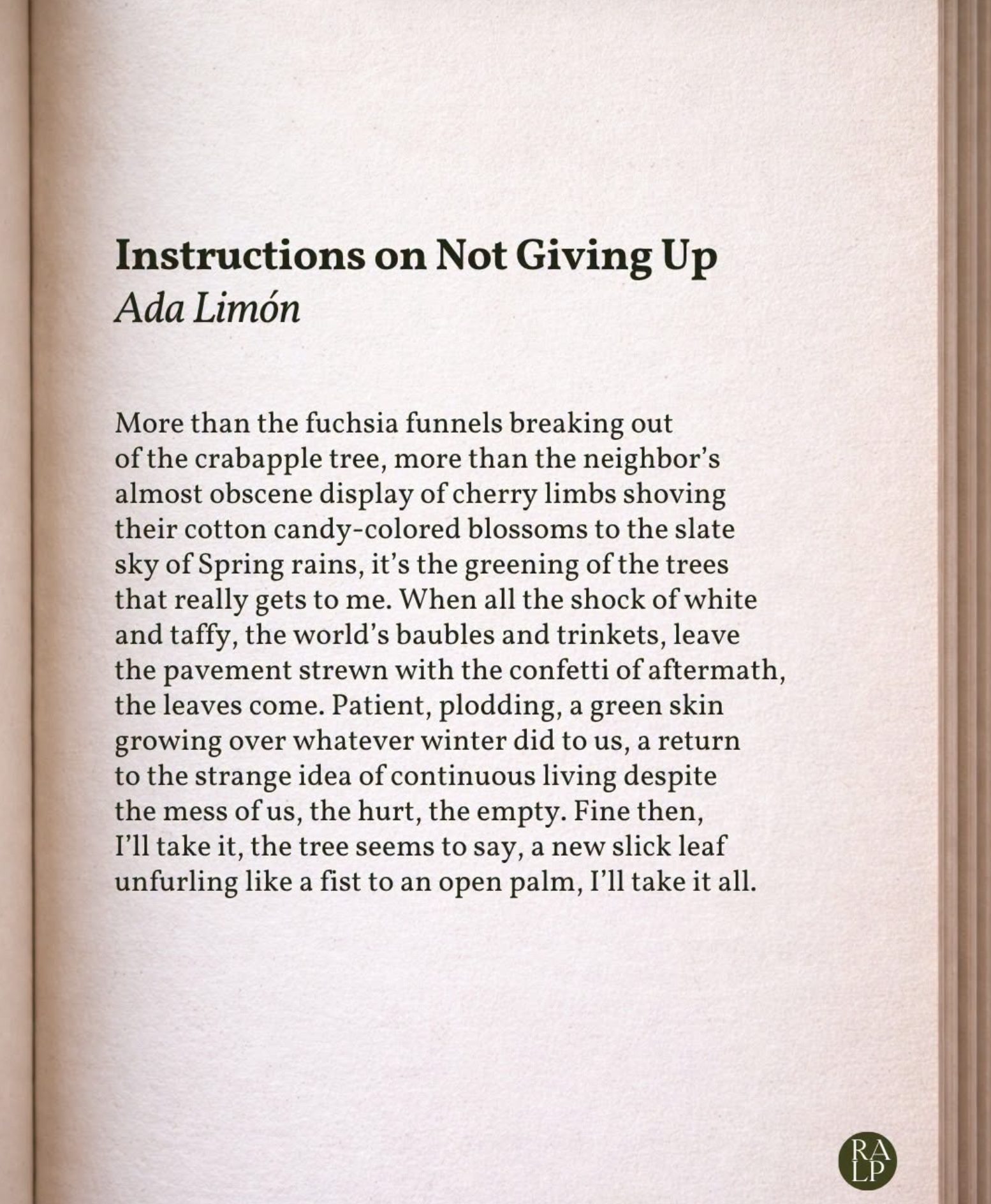
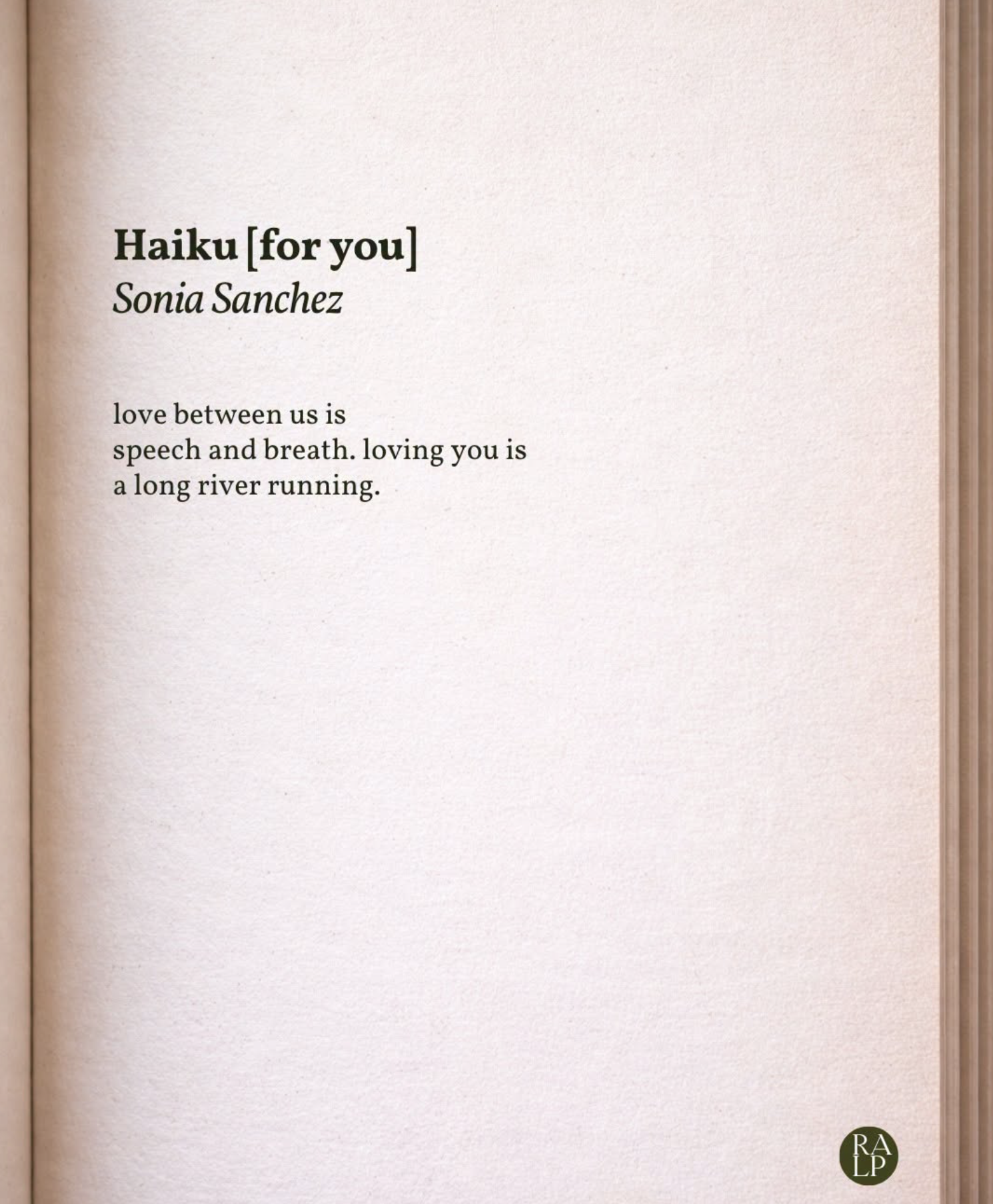
But what about Ada Limón, Jane Mead, Sonia Sanchez, Joy Harjo, Alberto Ríos?
These are poets influenced by, woven with, pressed against, nature.
Is everything nature?
* * *
* * *
In an excellent essay, Rob Lewis writes:
“To define the nature poem you first must define nature, which is tricky. The human defining nature takes the pose of someone pointing away from themselves at something else. Yet nature is also the pointer and the pointing.
Nature, if granted its full measure, is properly construed as everything. It is space and time and all the relationships and particulars in between, including stars and sand grains, songbirds and weather, photosynthesis and seahorses, love and anger, lions and gravity, trees, house timbers, kitchen tables. Nature, we could say, is that entity, process and mystery out of which everything arises, including us.”
Later in the piece, he states:
“But that still leaves us with the false category of the ‘nature poem.’ I think it’s something more like—tear down the walls, break up the categories, open the channels. Allow poetry to flow into science, science into prayer, prayer into nature, nature into poetry, and around and around let it go. Interpenetration is in the nature of things.”
* * *
I applaud the suggestions from Writers Digest. In 5 Tips for Writing Nature Poems, Robert Lee Brewer offers this gold nugget:
“In Paul Muldoon’s Wind and Tree, the poet compares the ways of trees to the ways of humans . . . so that the poem moves from being just an observation of nature to an observation of human nature.”
* * *
Yes, yes, that’s it!
Read that again: . . . more than just an observation of nature to an observation of human nature.
* * *
* * *
More and more, I climb across the terrain and see what a nature poem is not. Not an arrangement of gushing observation, or a catalog charting nature in clinical detail.
More than flowery description, a good nature poem examines the world and makes connections between people and place, asking, how has nature changed me?
* * *
What do you think: What is a nature poem?
Do you have a favorite nature poem or poet?
I’d love to hear from you.
* * *
The world turns on words. Thank you for reading & writing.
• If you know someone who might enjoy this blog — please share.
• If you want to read more — subscribe for free.
• If you are here, reading this now — thank you!